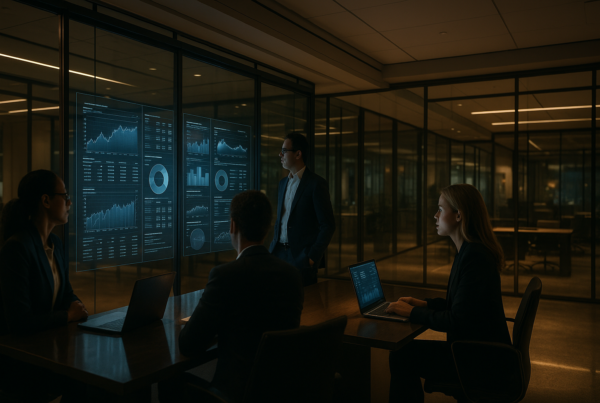
AI-Powered Retail: Transforming Insights into Action
The retail industry is navigating a transformative era, driven by rapid technological advances and shifting consumer expectations. At the heart of this evolution is the integration of artificial intelligence (AI), which promises to convert raw data into strategic insights and actionable plans. This article explores how AI is reshaping retail by addressing existing challenges, harnessing strategic insights, and paving the way for sustainable innovation.
Unveiling Retail Challenges Through an AI Lens
The retail landscape is fraught with challenges that include fluctuating consumer preferences, supply chain disruptions, and the constant pressure to differentiate in a saturated market. Traditional methods of addressing these issues often fall short due to their inability to process and analyze data at the necessary scale and speed. Retailers are now recognizing the need for real-time insights that can predict trends, streamline operations, and enhance customer experiences.
AI offers a unique lens through which these challenges can be viewed and addressed. By leveraging machine learning algorithms and advanced analytics, AI can sift through vast datasets to uncover patterns and predict future outcomes. This capability is crucial in understanding customer behavior that is becoming increasingly complex and multifaceted. Retailers who can effectively harness these insights are positioned to respond proactively to market changes.
In addition, AI can play a pivotal role in optimizing supply chain operations. Through predictive analytics, retailers can anticipate demand fluctuations and streamline inventory management, thereby minimizing costs and improving efficiency. The potential of AI in transforming retail goes beyond just tackling these challenges—it sets the stage for strategic growth and innovation.
Leveraging AI for Strategic Retail Insights
The real power of AI in retail lies in its ability to transform data into strategic insights that inform decision-making at every level. This is achieved through the integration of AI into core retail operations, enabling a deeper understanding of market dynamics and consumer behavior. Retailers can leverage AI-driven insights to craft personalized marketing strategies that resonate with target audiences, thereby enhancing customer loyalty and retention.
AI technologies facilitate a more nuanced understanding of customer segments by analyzing purchasing patterns, demographic data, and online behaviors. This allows retailers to segment their audiences more precisely and tailor their offerings to meet specific needs. The result is a more personalized shopping experience that can significantly boost engagement and satisfaction.
Moreover, AI empowers retailers to optimize pricing strategies by analyzing competitor pricing, market trends, and historical sales data. Dynamic pricing models powered by AI can adjust prices in real-time, ensuring competitiveness without sacrificing margins. This strategic use of AI-driven insights enables retailers to not only meet but exceed customer expectations, providing a solid foundation for growth.
Transforming Data Into Actionable Retail Strategies
Turning insights into action is where AI truly distinguishes itself in the retail sector. AI-driven analytics allow retailers to implement data-driven strategies that are both agile and responsive. By automating routine decision-making processes, AI frees up human resources to focus on more strategic initiatives. This transformation of data into actionable strategies is essential for maintaining a competitive edge in today’s rapidly evolving market.
Retailers can use AI to enhance in-store experiences by integrating technologies such as virtual fitting rooms, personalized recommendations, and smart shelves. These innovations create a more engaging shopping environment, drawing in customers and encouraging repeat visits. Furthermore, AI can streamline checkout processes through automated payment systems, reducing wait times and improving overall customer satisfaction.
In the realm of supply chain management, AI-powered tools enable real-time tracking and predictive maintenance, ensuring smooth operations and minimizing disruptions. These tools can predict equipment failures before they occur, allowing for timely interventions that prevent costly downtimes. By translating insights into concrete actions, AI helps retailers operate more efficiently and effectively, driving both performance and profitability.
Future-Proofing Retail with AI-Driven Innovation
As the retail industry looks to the future, AI-driven innovation stands as a cornerstone for sustainable success. Embracing AI not only addresses current challenges but also anticipates future trends, ensuring that retailers remain at the forefront of industry developments. The key to future-proofing lies in continuous adaptation and the strategic integration of AI into all facets of retail operations.
Retailers must cultivate a culture of innovation and agility, where AI is leveraged to experiment with new business models and delivery mechanisms. This includes exploring omnichannel strategies that seamlessly blend online and offline experiences, catering to consumers’ evolving preferences. The integration of AI into these strategies ensures that retailers can adapt quickly to changes in consumer behavior and market conditions.
Looking ahead, AI will play a crucial role in shaping the retail industry’s trajectory. Retailers that embrace AI-driven transformation will not only enhance their operational capabilities but also foster deeper connections with their customers. By continuously innovating and leveraging AI insights, retailers can navigate the complexities of the modern market and secure a prosperous future.
In an era where data is abundant but insights are scarce, AI stands out as a pivotal force in transforming the retail landscape. By addressing core challenges, providing strategic insights, and facilitating actionable strategies, AI empowers retailers to thrive in a competitive environment. As we move forward, the integration of AI into retail operations will be essential for fostering innovation and ensuring long-term success. Those who embrace this transformation will be well-equipped to meet the demands of an ever-evolving industry.